
Penile Torsion Surgery: Essential Insights for Optimal Recovery
Key Takeaways
Penile torsion surgery is a specialized procedure designed to correct the orientation of the urinary opening. Typically, it lasts under two hours and involves realigning the penile shaft using precise surgical techniques.
Preparation for surgery includes attending pre-operative consultations, reviewing medications, adhering to fasting instructions, and making arrangements for post-operative transportation.
In the initial recovery phase, patients may experience discomfort and swelling. Monitoring symptoms closely is important, and ice packs can be helpful, along with scheduling regular follow-ups with healthcare providers.
Enhancing recovery can be achieved by following medical advice, ensuring adequate rest, maintaining proper hygiene, and staying hydrated to facilitate healing.
After penile torsion surgery, success is often measured by improved urinary function and increased patient confidence, with many noting significant enhancements in their quality of life.
Staying vigilant during recovery is essential; medical advice should be sought if there is persistent pain, fever, unusual swelling, or changes in urinary patterns.
Ongoing follow-up care is critical for achieving long-term success, which involves regular check-ups to monitor recovery and open communication with healthcare providers regarding any concerns.
What to Expect During Penile Torsion Surgery: A Step-by-Step Guide
The Surgical Process Explained
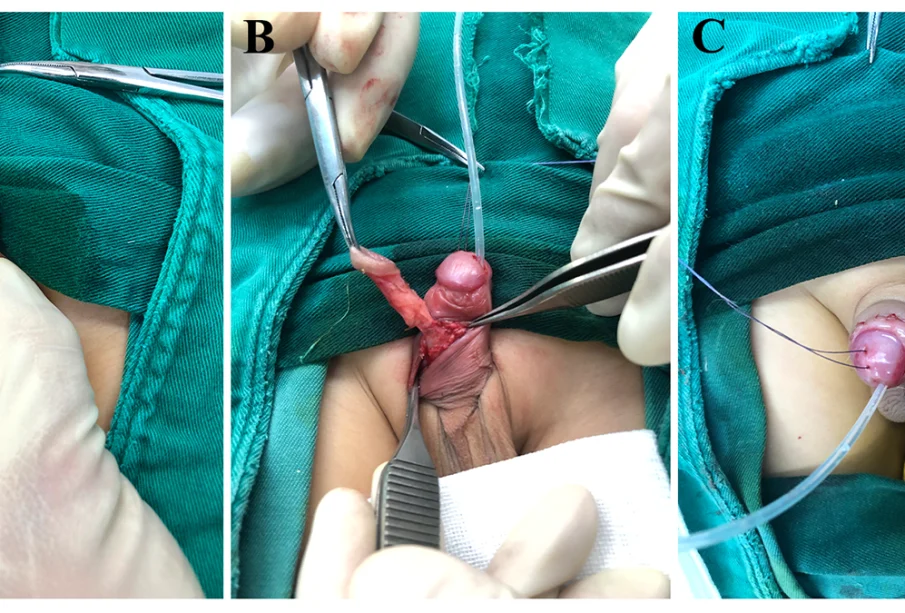
Penile torsion surgery is a precise intervention focused on correcting the orientation of the urinary opening. The process begins with anesthesia, ensuring the patient remains comfortable throughout. An incision is generally made along the shaft of the penis, granting access to the internal structures. The surgeon then carefully realigns the penile shaft to its optimal position, reattaching supporting tissues as necessary. This meticulous method aims to reduce the risk of complications and promote successful recovery.
Most often, the surgery is completed in under two hours. However, the techniques employed can be tailored to individual needs, significantly affecting both effectiveness and recovery. After the procedure, mild discomfort is to be expected, but pain relief is typically manageable with prescribed medications.
Preparing for Your Procedure: Essential Checklist
Preparation is crucial for achieving a successful surgical outcome. Patients should follow a specific checklist to ensure they are ready for surgery. The following points can serve as a guideline:
- Pre-Operative Consultation: Attend all scheduled appointments with the healthcare provider to express concerns, ask questions, and gain a clear understanding of the procedure.
- Medication Review: Inform the surgeon of any current medications, particularly blood thinners or supplements.
- Fasting Requirements: Follow fasting instructions to ensure the stomach is empty before the surgery.
- Post-Operative Arrangements: Arrange for transport home after the procedure, as this is vital.
- Home Recovery Gear: Gather necessary supplies such as comfortable clothing and ice packs to aid the recovery process.
Proper preparation can greatly improve the surgical experience. The groundwork set before arriving at the hospital can contribute to a smoother process.
Post-Surgery Insights: Working through Recovery After Penile Torsion Repair
Understanding the Initial Healing Phase
The first days following penile torsion surgery are crucial. During this phase, the body deals with inflammation and swelling. Patients may experience varying degrees of discomfort, which is a normal reaction to surgery. It’s important to closely observe for any unusual symptoms, such as excessive pain or unusual discharge. Recognizing the difference between signs of healing and complications is essential.
Ice packs are commonly used to help reduce swelling and manage pain. Regular follow-ups with healthcare providers during this period are also critical. These visits allow professionals to assess the healing progress and identify potential issues early on.
Tips for Optimal Comfort and Recovery
Comfort during the recovery process is paramount. Here are some important tips for patients:
- Follow Medical Advice: Adhere to the prescribed medication regimen to effectively manage pain and prevent infection.
- Rest and Relax: Give the body sufficient time to heal by avoiding strenuous activities, particularly those that strain the pelvic area.
- Hygiene Practices: Keeping the surgical site clean is vital for healing.
- Stay Hydrated: Staying hydrated plays an important role in recovery and overall well-being.
Incorporating these tips can lead to a smoother and faster recovery. Listening to the body’s signals is key during this important time.
Long-term Outcomes: What Success Looks Like After Surgery
Real Patient Experiences: Powerful Results
Success after penile torsion surgery is often defined by a patient’s renewed quality of life. Many individuals report not just aesthetic improvements but also functional enhancements. Normalizing urinary function and experiencing significantly less discomfort are common positive outcomes.
For instance, one patient who had faced challenges with urine flow patterns before the surgery reported profound improvements in daily activities and personal relationships post-correction. Numerous patients share sentiments of increased confidence and reduced anxiety after addressing previously debilitating symptoms. It’s remarkable to see how such a seemingly minor surgical intervention can yield significant transformations.
“Restoration of function is a game changer, with clients often returning to normal activities with newfound confidence.”
Monitoring Changes: When to Seek Medical Advice
Awareness during the recovery journey is critical. While the healing process is usually straightforward, patients must remain vigilant for signs that may indicate the need for medical intervention. Consider the following guidelines:
- Persistent Pain: If pain levels rise instead of decrease, this could signify a complication, and should be reported promptly.
- Fever or Chills: These symptoms can indicate infection and require immediate medical attention.
- Unusual Swelling or Discoloration: Any significant changes at the surgical site demand evaluation by a physician.
Proactive health management is vital following any surgical procedure. Patients should feel empowered to reach out to healthcare providers whenever health concerns arise.
Beyond the Procedure: Preventive Measures and Future Considerations
Follow-Up Care: Maintaining Optimal Health Post-Surgery
Post-surgical care extends well beyond the operating room. To secure the best long-term results, follow-up care must be prioritized. Regular check-ups allow healthcare providers to assess the recovery progress and confirm that healing is on track.
Healthcare professionals often recommend scheduling follow-ups including:
- Initial Follow-Up: Generally one week after surgery to evaluate healing.
- Long-Term Check-Ups: Follow-up appointments at one month, followed by periodic visits as agreed upon with the surgeon.
- Open Communication: Maintaining an honest dialogue with the physician about any remaining discomfort or concerns is essential.
Engaging with one’s health and recovery process offers lasting benefits, encouraging both physical and emotional well-being.
Understanding Complications: What to Look Out For
Although complications from penile torsion surgery are rare, having awareness of potential issues can provide peace of mind. Early recognition of signs may lead to prompt treatment.
- Scarring or Adhesions: Occasionally, internal scarring can occur, affecting function.
- Continued Discomfort: Ongoing pain that does not resolve could signal an underlying issue.
- Changes in Urination: Any alterations in urinary function after surgery should prompt immediate consultation.
Health-related matters require attention. Being alert and informed enhances the chances of a smooth and uneventful recovery.
FAQ
What are the typical recovery times for penile torsion surgery?
Recovery times can vary widely among patients. Many find they can resume light activities within a week, although full recovery typically takes about four to six weeks, depending on individual circumstances and adherence to post-operative guidelines.
Are there any long-term lifestyle changes needed after the surgery?
Patients often experience an improved quality of life after surgery. However, adopting habits like regular check-ups and maintaining open communication with healthcare providers can contribute to better long-term outcomes. Additionally, a healthy lifestyle, including a balanced diet and adequate hydration, supports ongoing health.
What specific signs indicate a possible complication after surgery?
Persistent pain, fever, or unusual discoloration are significant warning signs. Any abnormal symptoms should prompt a prompt consultation with a healthcare provider for thorough assessment and potential intervention.
How can patients best prepare for their post-operative follow-up appointments?
Patients should compile a list of any symptoms experienced, questions about recovery progress, and updates on any concerns they may have. This preparation will help maximize the effectiveness of each follow-up visit, ensuring comprehensive discussions about healing.
What’s the role of physical activity during recovery?
Avoiding strenuous activities, particularly in the pelvic region, is important for the first few weeks. However, gentle movement, such as short walks, can promote circulation and recovery without putting strain on the surgical site.
Are there any dietary recommendations post-surgery?
Staying hydrated and consuming nutritious foods that promote healing, such as fruits and vegetables, is ideal. Patients should also consider incorporating protein-rich foods to support tissue repair during recovery.
What are the chances of needing additional surgeries in the future?
While most patients achieve satisfactory results from a single surgery, a small percentage might require further intervention if complications arise. It’s important for patients to discuss ongoing symptoms with their healthcare provider to address potential issues early.
How can patients emotionally prepare for the surgery and recovery process?
Understanding the surgical procedure and what to expect during recovery can help reduce anxiety. Connecting with support groups or talking to individuals who have undergone similar surgeries may offer reassurance and foster a positive mindset throughout this journey.
Useful Resources